
Recueil des bonnes pratiques de neuroinclusion
OBJECTIF NEUROINCLUSION · EDITION 2026
Simple actions, real impact
Setting a course for workplace inclusion.
Choose how to read
Web version
Browse the ideas, search for a topic, or filter by company in the text version of the guide.
Read the guide onlineE-zine (Magazine format)
Browse the guide in its illustrated layout using the Heyzine reader.
Browse the guide (In French)PDF Version
Save the guide to consult it offline or print it.
Compressed PDF · 38 pages · 11.1 MB
Browse the guide (In French)
Le lecteur externe Heyzine se charge à votre demande. La version web du guide reste disponible pour une lecture en texte et une navigation par thème.
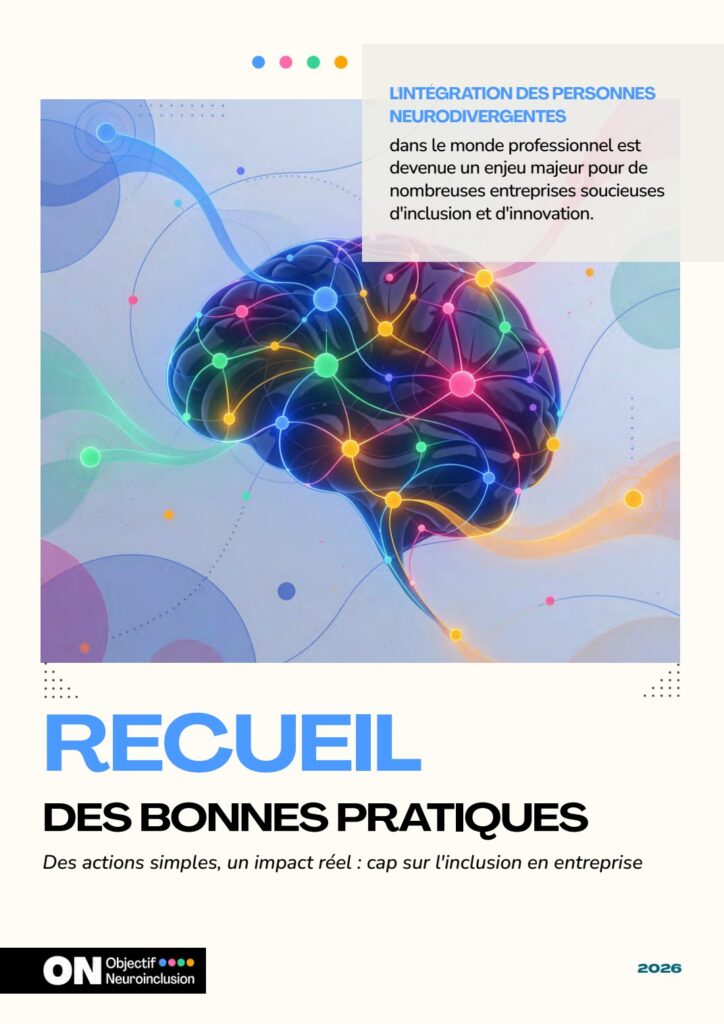
Including neurodivergent individuals into the workplace has become a major issue for many companies committed to inclusion and innovation.
An analysis of initiatives implemented by companies such as Capgemini, Carrefour, FDJ, L'Oréal, Orange, Pernod Ricard, Schneider Electric, Siemens, and Thales reveals a landscape of diverse actions and a growing commitment to neuroinclusion.
Including neurodivergent people in the workplace has become a key priority for organizations committed to diversity, inclusion, and innovation. This collection presents a selection of "best practices" implemented by companies belonging to the Objectif Neuroinclusion collective.
This list of initiatives is a selection of projects led by the collective's member companies. It is designed to showcase a variety of actions developed to support the inclusion of neurodivergent individuals within the corporate world and its ecosystem.
18 best practices found
The collective
Launched in 2025 based on the shared conviction that cognitive diversity is a strength, Objectif Neuroinclusion is the first inter-company initiative for neuroinclusion in France.
We bring together leading companies around a shared ambition: to transform professional practices in a lasting way so that everyone - regardless of their cognitive profile - can thrive and make a full contribution.
The collective is built on four pillars for a common framework and shared objectives: active participation by each member.
In terms of governance, each member actively participates in collaborative and transparent management, and the production of an annual roadmap illustrates the collective's operating model.
Our international presence is driven by our members, who are active in numerous countries and business sectors.
The nine founding companies of the collective represent more than a million employees across diverse sectors and international locations — a diversity that reflects the reality of today's working world.
Training and awareness for colleagues
 Pernod Ricard
Online modules and ConviviABILITY
PDF · page 7 of 38
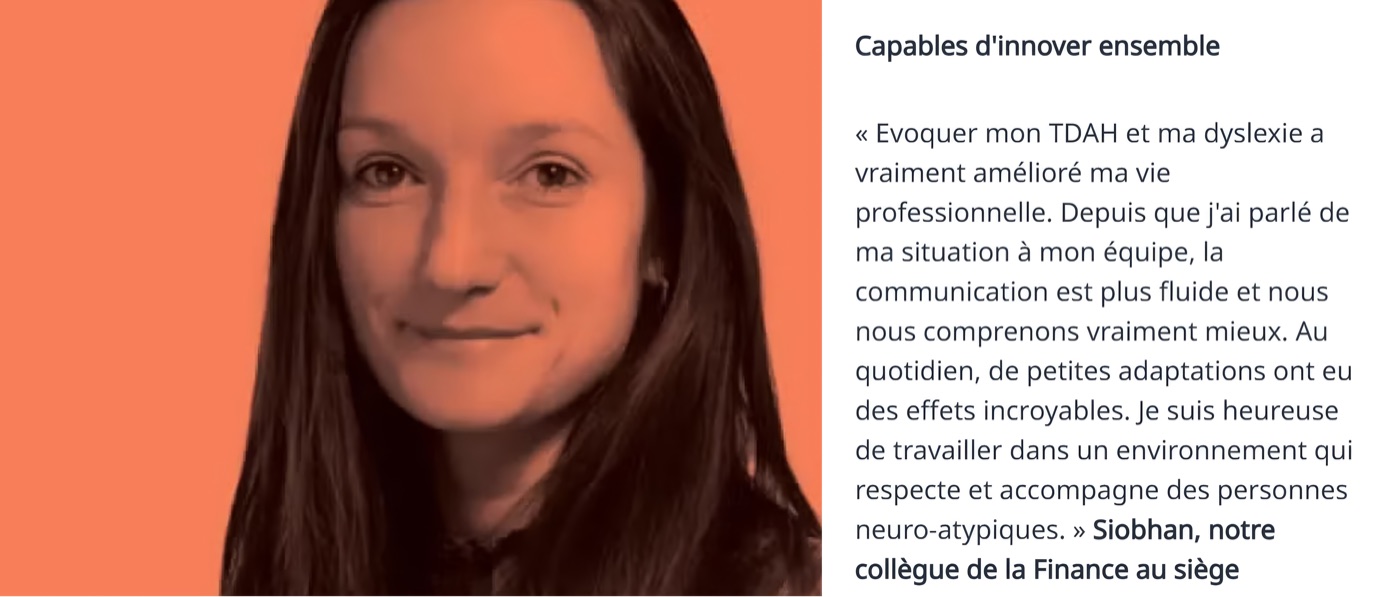
"Opening up about my ADHD and dyslexia has really improved my professional life. Since sharing my situation with my team, communication flows more smoothly, and we truly understand each other better. Small day-to-day adjustments have made an incredible difference. I’m happy to work in an environment that respects and supports neurodivergent individuals." — Siobhan, our colleague in Finance at headquarters.
Read the full article : Modules en ligne et ConviviABILITY
Key points
- Launch Date
- 2025
- Target audience
- HR teams, employees, managers, and caregivers
- Concept
- Online modules
Overview
Provide short, 15-minute resources to demystify neuroinclusion and clarify the concepts involved. These online modules offer best practices for integrating and supporting colleagues with ADHD, dyslexia, or autism.
In February 2025, Pernod Ricard launched a global campaign to raise awareness about disabilities. The campaign slogan, "It’s all about ConviviABILITY," was chosen to embed the topic within Pernod Ricard’s corporate culture and collective mindset, emphasizing abilities rather than disabilities.
For us, our employees are defined by their aptitudes, skills, and who they are as individuals—not by their health status. "It’s all about ConviviABILITY" encourages everyone to support colleagues living with a disability or health issue, reinforcing the idea that disability does not define capability.
The global campaign features five posters sharing the personal experiences of colleagues with disabilities - some openly, others anonymously.
Recognizing that disabilities are not always visible, these testimonials offer insight into the broad spectrum of disabilities in the workplace, including neurodiversity.
KPIs
All HR teams in France aim to complete the modules by the end of October 2026.
"At Pernod Ricard, we are committed to supporting our employees throughout their careers, regardless of their health status or any disabilities. Our roadmap aims to raise awareness about disabilities and support affected employees by adapting their work environment to ensure their comfort and enable them to work effectively."
 Siemens
Digital accessibility and AI
PDF · page 8 of 38
Read the full article : Accessibilité numérique et intelligence artificielle
Key points
- Launch Date
- 2025
- Target audience
- All employees and manager-specific sessions
- Concept
- Training and awareness
Overview
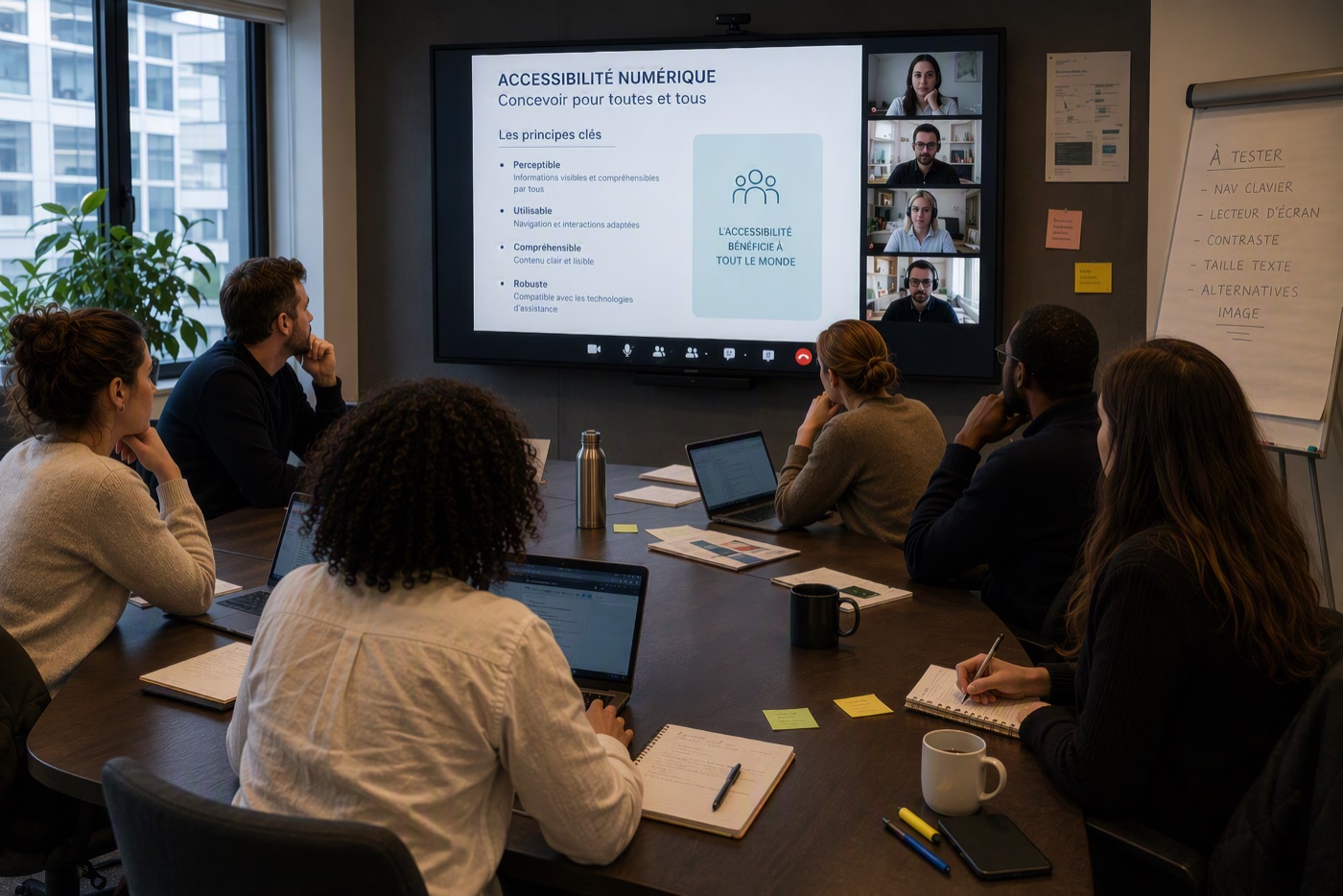
Awareness-raising and training initiatives that can be tailored to specific roles or audiences, in French and/or English, along with the development of shared tools and resources.
Goal: AI and digital accessibility—breaking down barriers to unlock everyone's potential.
Discover how digital accessibility and AI integrated into our work tools help break down barriers, foster inclusion, and boost everyone's efficiency. An initiative supporting the Siemens P&O 2030 ambition: a more inclusive, equitable, and high-performing environment.
Understand how AI and digital accessibility can assist employees in their daily work, and how tools designed and created for vulnerable individuals can benefit everyone by enabling them to work more easily, efficiently, and inclusively.
A project aligned with the Siemens P&O 2030 strategy: increasing efficiency, fostering inclusion, and improving the work experience for everyone.
KPIs
NPS satisfaction survey: 94%
"Inclusion begins when our tools adapt to people, not the other way around. Today, AI and digital accessibility offer us concrete solutions that enable everyone to work, learn, and collaborate under the best possible conditions."
 Orange
Neuroteam : inclusion and innovation
PDF · page 9 of 38

Read the full article : Neuroteam : inclusion et innovation
Key points
- Launch Date
- 2022
- Target audience
- All employees of the Orange Group
- Concept
- Training and awareness
Overview
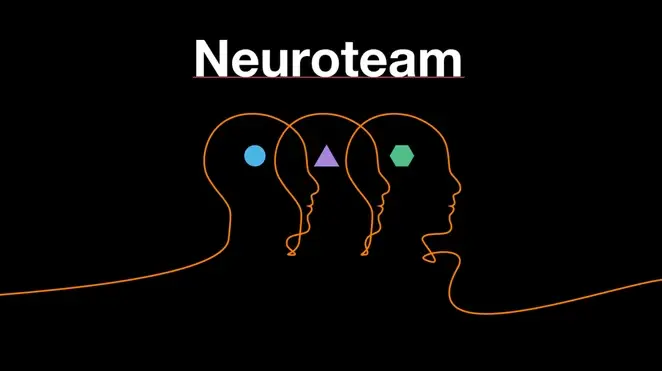
Orange launched the Neuroteam program in 2022, featuring a multidisciplinary team with the goal of facilitating collaboration within teams, raising awareness to mitigate bias and stereotypes, enriching the talent pool, and fostering development and innovation. Sponsored by the HR Director and the CSR Director, the program is underpinned by a manifesto designed to drive the Group's commitment.
Neuroteam provides a space for raising awareness, fostering collective intelligence, and encouraging creativity, enabling the development of proposals to promote neurodiversity among managers, employees, and external stakeholders (partners, clients, suppliers, etc.). It is also a hub for innovation, grounded in the group’s research and a new form of voluntary contribution by neurodivergent employees.
The program’s governance body is a quarterly steering committee that brings together representatives from business lines and country entities, as well as members of our two ERGs.
To raise awareness among the widest possible number of employees, Orange offers, among other initiatives, e-learning modules on "neurodiversity and its implications in the workplace" and "inclusive recruitment," aimed at embracing the unique characteristics of every individual within the workforce, as well as a neurodiversity awareness quiz.
The "Neurodiversity and Workplace Implications" module provides an understanding of neurodiversity, the specific characteristics of different profiles, and the assets they bring to a team.
The "Mastering Inclusive Recruitment" module provides the skills and tools needed to adopt fair and inclusive recruitment practices, thereby fostering the attraction and retention of talent from diverse backgrounds and enabling them to thrive and contribute fully to the team's success.
This training initiative is reinforced by an "inclusive management self-assessment," which invites Orange Group’s 16,000 managers and project leaders to create their inclusive manager profile.
In addition, Orange shares testimonials from neurodivergent employees through an annual "neurodiversity allies" campaign. The goal is to mobilize the entire workforce by equipping employees to understand and actively support their neurodivergent colleagues.
"Since every brain is unique, each individual—whether neurodivergent or neurotypical—has their own way of thinking, perceiving, and interacting with their environment. Encouraging people to unlock their full potential by providing a space for self-expression that fosters professional well-being—while recognizing the strengths inherent in diverse perspectives and valuing the challenges overcome—facilitates dynamic, committed contributions. This is a winning approach for team cohesion, as well as for the company’s growth and societal progress."
 Thales
Conferences, expert insights, and personal accounts
PDF · page 10 of 38


Read the full article : Conférences, regards d’experts et témoignages
Key points
- Launch Date
- 2020
- Target audience
- All employees
- Concept
- Conferences
Overview
Regularly offer lectures. Through personal accounts, expert insights, and shared experiences, these webinars provide a better understanding of neurodiversity and different cognitive processing styles.
Understanding, embracing, and valuing the diversity of cognitive functioning:
- Gain a better understanding of neurodiversity and different cognitive functioning styles;
- Move beyond preconceived ideas and avoid oversimplifications;
- Identify more neuroinclusive work practices;
- Provide points of reference for employees, managers, and teams;
- Raise awareness of the support and resources available at Thales.
For the past two years, in response to requests from many employees, this program has expanded to include staff members who are caregivers for neurodivergent individuals and to address the realities of caregiving.
They provide concrete points of reference, help move beyond preconceived ideas, and contribute to sustainable inclusion.
Speaker
Oscar LANGLEY
International coach, author, and speaker; expert in ADHD, ODD, and atypical parenting.
 FDJ UNITED
Supporting Dys at work
PDF · page 11 of 38
Read the full article : Les Dys au travail
Key points
- Launch Date
- 2025
- Target audience
- Employees affected by one or more learning disabilities
- Managers
- HR Teams
- Disability Liaison Officers
- Work collectives
- Caregivers and loved ones wishing to better understand these situations
- Concept
- Guide
Overview
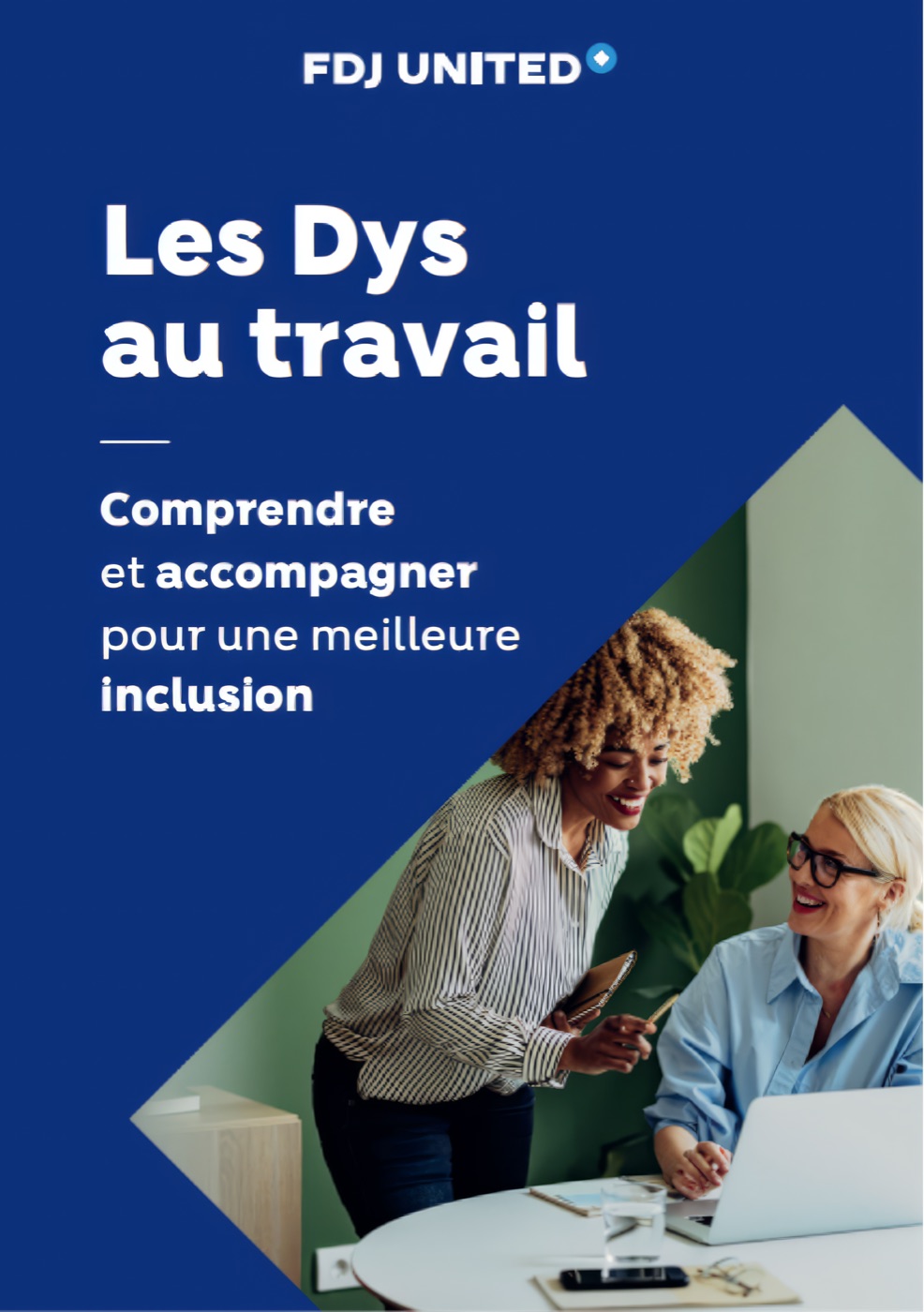
Drawing on the expertise of the Fédération Française des Dys, FDJ UNITED has developed an educational guide focused on "Dys" disorders to raise awareness of neurodevelopmental disorders within the Group and foster a more inclusive work environment.
The guide, available in French and English, helps dispel misconceptions, fosters a better understanding of the impact of "Dys" disorders in the workplace, and disseminates practical support solutions—both human and technological.
It is part of the comprehensive approach to diversity, equity, inclusion, and the retention of employees with disabilities championed by FDJ UNITED.
Objectif :
- Raising awareness of Dys conditions among all employees
- Raise awareness about the various forms of "Dys" conditions (dyslexia, dysorthographia, dysphasia, dyspraxia, dysgraphia, etc.).
- Provide managers and teams with practical tools for support.
- Promote the recognition of individual needs and the implementation of appropriate accommodations.
- Improve the inclusion, well-being, and performance of the employees concerned.
- Contribute to combating stereotypes associated with invisible disabilities.
The impact:
- The guide adopts an educational approach combining explanations, testimonials, concrete examples, and advice directly applicable to daily professional life, making it easy for managers and teams to adopt.
- FDJ UNITED has chosen to make this guide publicly available. This public release allows for the sharing of best practices beyond the company and raises awareness of "Dys" conditions within a broader ecosystem.
KPIs
Over 400,000 views when the guide was shared on the International Day of Persons with Disabilities.
“'Dys conditions remain too often misunderstood, even though they affect between 6% and 8% of the population. With this guide, we aim to raise awareness of these disorders among all stakeholders within the company and offer concrete solutions that enable everyone to fully unlock their potential.”
 Schneider Electric
InVersion : Reverse the norms
PDF · page 12 sur 38
Read the full article : InVersion : renverser les normes
Key points
- Launch Date
- 2021
- Target audience
- All employees
- Concept
- Web series
Overview
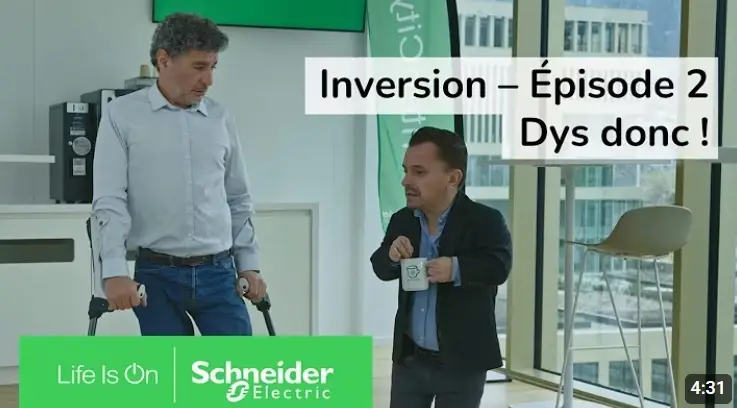
InVersion is an awareness-raising web series created by Schneider Electric in partnership with the agency L’agenceT by Talentéo. It is aimed at all employees, with a particular focus on managers, HR teams, and work groups. Parts 2 and 3 specifically address learning disabilities (such as dyslexia) and autism, aiming to raise awareness of cognitive diversity, the realities of neurodivergence, and the conditions required for a truly neuroinclusive work environment.
The concept is based on reversing roles and standard norms: so-called "able-bodied" or neurotypical individuals become the minority in an environment designed around different ways of functioning. This shift highlights - with humor and self-deprecation - stereotypes, awkward interactions, and often unconscious mechanisms of exclusion. For parts 2 and 3, Schneider Electric launched an internal call for projects, with employees contributing to the scripts based on real-life professional situations. This collaborative approach enhances the authenticity of the messages and turns raising awareness into a participatory process.
InVersion aims to shift perceptions regarding invisible disabilities, neurodivergence, and cognitive diversity. The series helps employees identify the biases and implicit norms that can disadvantage certain individuals in areas such as communication, recruitment, work organization, and daily interactions. It encourages everyone to examine their practices, discuss needs rather than making assumptions about capabilities, and create more accessible and inclusive working conditions. More broadly, it helps highlight the value that diverse ways of thinking, learning, communicating, and solving problems bring to the collective.
InVersion offers an innovative, accessible, and memorable approach to raising awareness. The use of fiction and humor creates a sense of distance that facilitates discussion on sometimes sensitive topics without making the audience feel guilty. Employee input in writing parts 2 and 3 grounds the scenarios in reality, values their practical expertise, and fosters collective buy-in. The series thus serves as a reusable resource for opening a dialogue about individual needs, workplace accommodations, management practices, and work organization.
It complements Schneider Electric’s other neuro-inclusion initiatives: raising awareness, inclusive recruitment and onboarding, academic partnerships, support for employee groups, and the development of neuro-inclusion coaching solutions. Its award at the 2024 Regards Croisés Festival also confirms the format’s impact beyond the company itself.
KPIs
The indicators that can be used are primarily qualitative: employee engagement during the call for projects, production of a three-episode series, internal and external distribution, reuse of the material in awareness-raising initiatives, and external recognition.
In 2024, "InVersion" received the Youth Jury Prize in the "Corporate Communication" category at the Regards Croisés Festival; the production is credited to Schneider Electric and the direction to L’agenceT by Talentéo.
“With InVersion, we chose to flip the script on norms to better expose prejudices. Involving employees in writing the scenarios allowed us to draw on real-life experiences and turn raising awareness into a collective, concrete, and engaging project.”
 Carrefour
Reading difficulties: finding the words to talk about them
PDF · page 13 of 38
Read the full article : Difficultés de lecture : des mots pour en parler
Key points
- Launch Date
- 2024
- Target audience
- All employees
- Concept
- Action plan
Overview
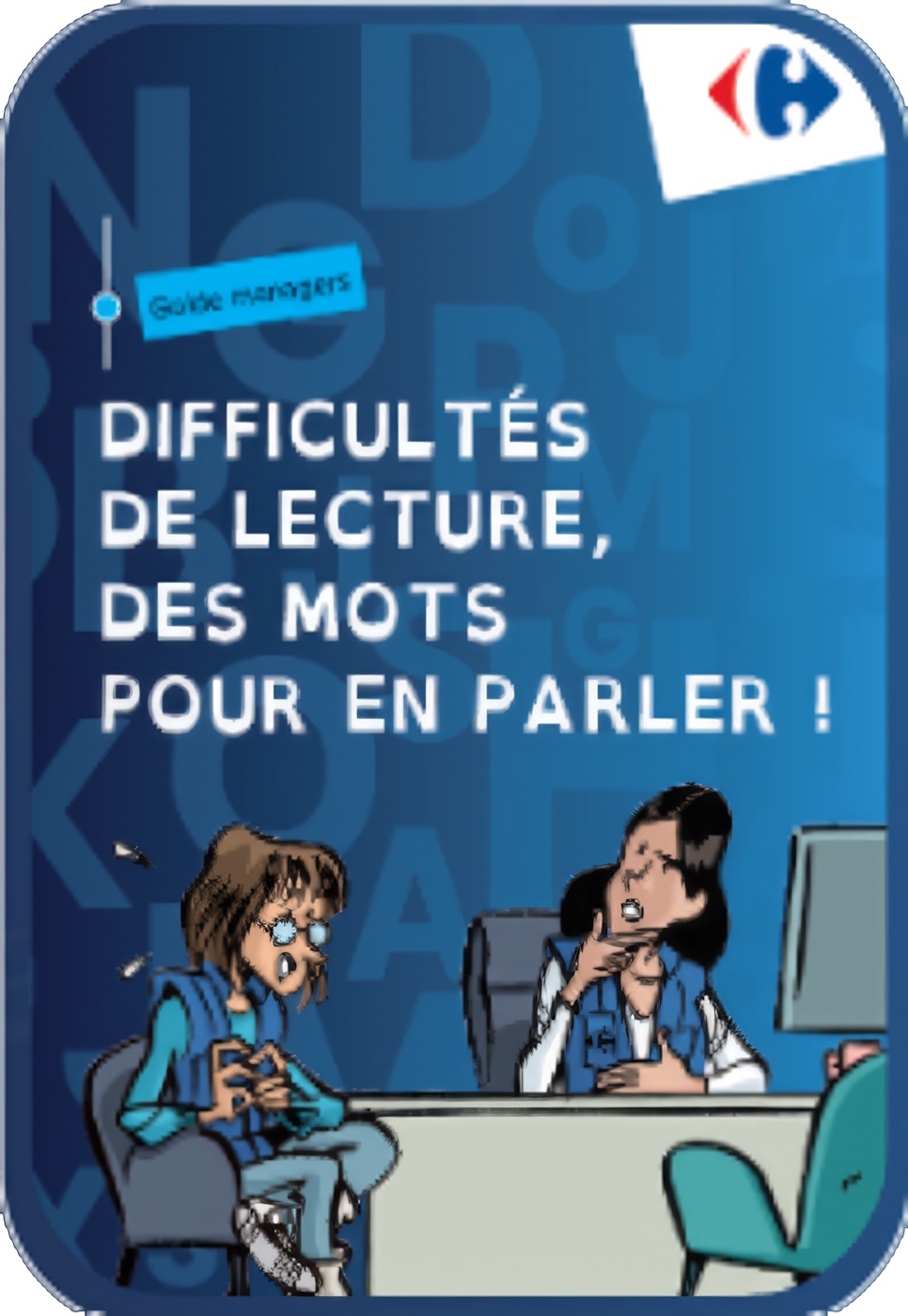
In November 2024, Carrefour Group launched an awareness-raising and training program titled "Reading Difficulties: Finding the Words to Talk About It," aimed at all employees. The program comprises several initiatives: an awareness campaign for all staff, an awareness guide for managers, an educational guide for all employees, digital tools and materials adapted for individuals with dyslexia, and personalized training for employees experiencing difficulties with the French language.
This action plan, aimed at employees experiencing difficulties with the French language, includes:
- We launched an awareness campaign aimed at all company employees. The goal of this internal communication initiative was to break the taboos surrounding reading difficulties, raise awareness of the fact that this issue is a reality within the company, and highlight the role we all play in such situations. A series of eight short sketches illustrating real-life scenarios involving reading difficulties faced by our employees was shared with the entire workforce.
- These short sketches were accompanied by an awareness-raising guide designed to equip managers with the tools to raise awareness, identify issues, and support employees facing difficulties, all while maintaining a supportive and caring approach. All employees also have access to an educational guide outlining the various types of reading difficulties and the internal support system. The sketches were distributed via various internal channels, such as office screens, our internal social network (Blink), posters, and Digiposte inserts.
- Carrefour provides all employees with access to specialized fonts - such as OpenDys - that aid reading, as well as conversion tools that enable text to be converted into speech and vice versa.
- Carrefour assists employees with "Dys" conditions (such as dyslexia or dyspraxia) who wish to obtain official recognition of their disability status (RQTH). Digital tools—such as voice-recognition software—and specialized equipment (including keyboards and digital pens designed for individuals with Dys conditions) have been included in the equipment catalog available to employees for workplace adaptations.
- A personalized, on-site training program in small groups has been created for employees who struggle with French. The course content was developed in collaboration with experts in basic skills training and is tailored to the employees' professional needs. Participation is voluntary and open to everyone.
KPIs
By June 2026, 100% of employees will have been made aware of the issue of reading difficulties.
"10% of adults in France struggle with reading due to "dys" conditions (such as dyslexia, dysorthographia, or dyscalculia), functional illiteracy, or total illiteracy. At Carrefour, we have decided to break the taboo surrounding reading difficulties in the workplace and launch a comprehensive action plan."
Manager support
 Capgemini
Supporting people managers
PDF · page 15 of 38
Read the full article : Accompagner les managers de proximité
Key points
- Launch Date
- 2025 in the UK and Brazil
- 2026 in Australia
- Target audience
- People in Australia, Brazil and the United Kingdom
- Concept
- Supporting people managers
Overview
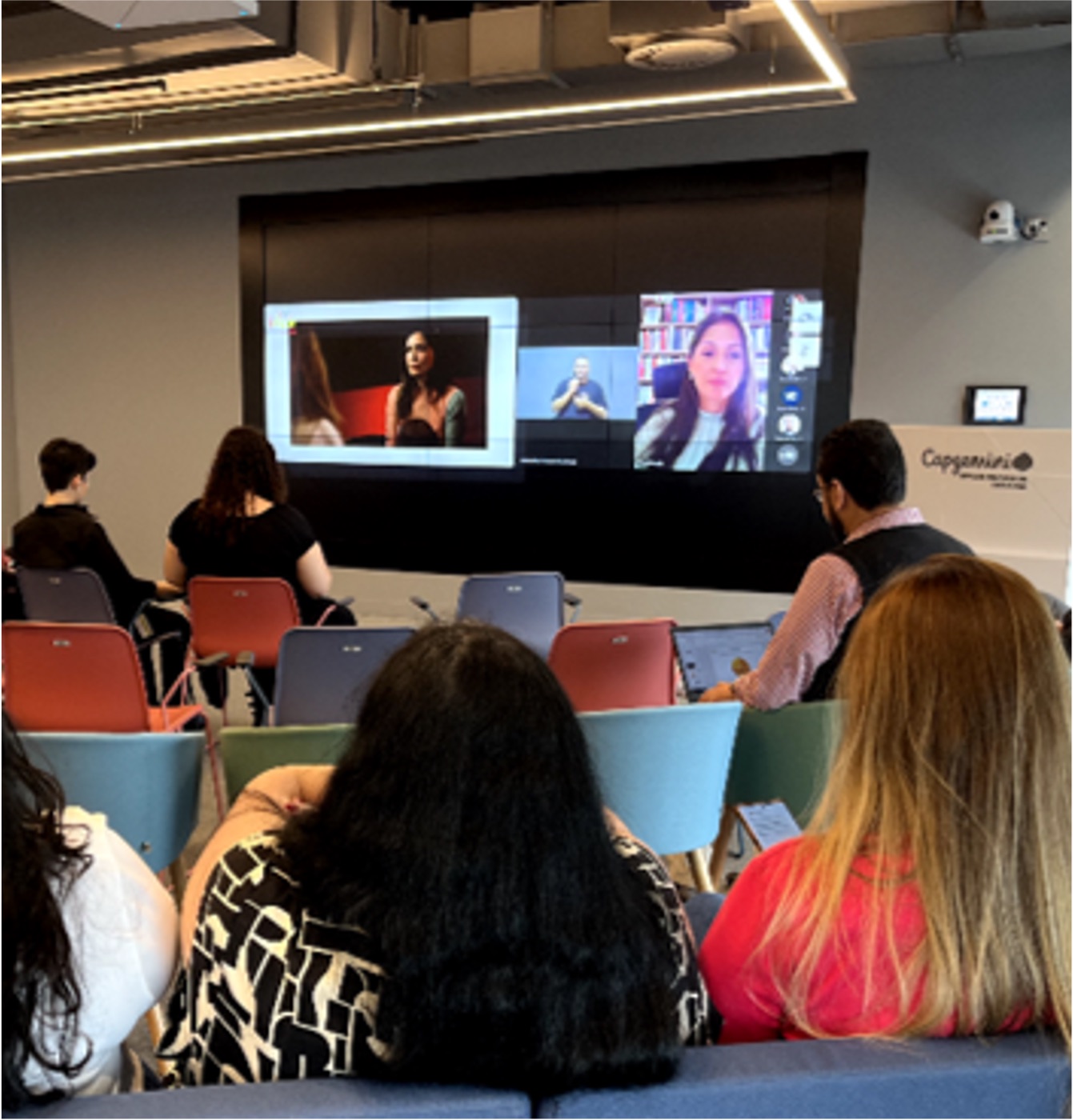
Integrated into Capgemini’s broader people manager training, they are equipped with a baseline awareness of neurodiversity, how to respond to employees sharing their neurodivergence, and where to seek additional support for themselves and their employees.
Inclusion comes from the behaviors and actions of the people around us, and the relationship between a manager and their team member is one of the most decisive factors in making neuroinclusion a reality. This initiative aims to make neuroinclusion a standard practice integrated into daily activities, rather than an additional or optional topic.
Delivered by external experts, the training gives an overview of neurodiversity, universal adjustments, and support available. The focus is on how to be approachable for employees to share their neurodivergence, how to respond with respect and understanding, and how to access support if needed – not becoming a neurodiversity expert.
Capgemini don’t expect every manager to be a neurodiversity expert – instead, they focus on how to be approachable for employees to share their neurodivergence, how to respond with respect and understanding, and how to access support if needed. This makes the topic more approachable for people managers, and recognizes that managers may themselves be neurodivergent and require support or adjustments to succeed as people managers.
KPIs
More than 90% of local people managers follow the training.
Workplace adjustments and accessibility
Capgemini
Quiet zones and sensory rooms
PDF · page 17 of 38
Read the full article : Zones calmes et salles sensorielles
Key points
- Launch Date
- 2025
- Target audience
- All Capgemini sites
- Concept
- Quiet zones and sensory rooms
Overview
Capgemini has adopted universal design principles for its offices – ensuring sensory needs (lighting, noise, textures) are accounted for in space design by default and from the beginning.
The company offers a variety of workspaces to suit different needs.
Capgemini is creating flexible work environments to suit different needs, considering the full range of sensory factors and business needs – enabling colleagues to do their best work.
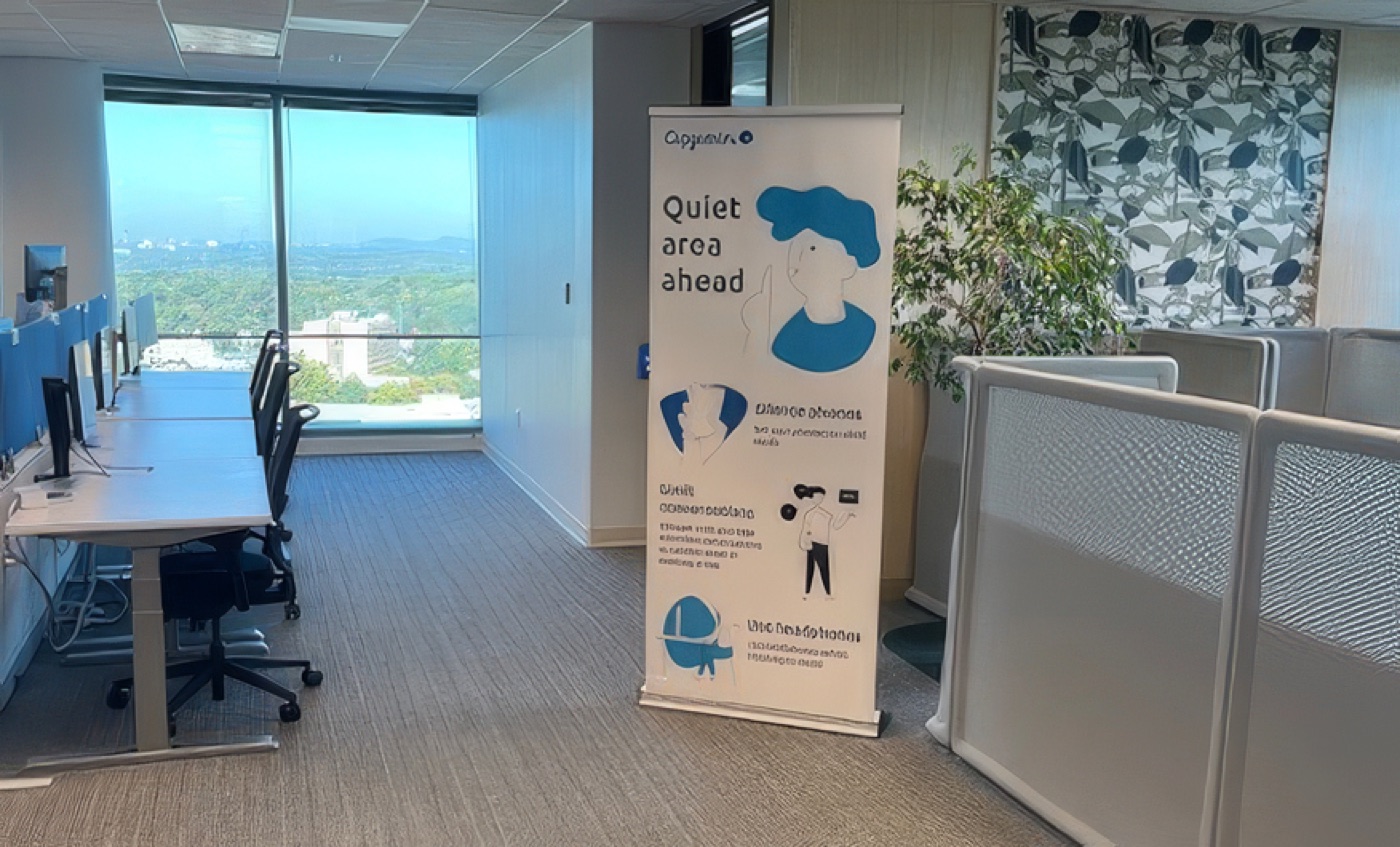
Quiet Zones are located away from high-traffic areas and equipped with soundproofing solutions, supported by signage outlining the etiquette for minimizing noise. These zones benefit colleagues who need to focus on a task, and neurodivergent colleagues who are sensitive to the noise which may be present in open-plan collaborative workspaces.
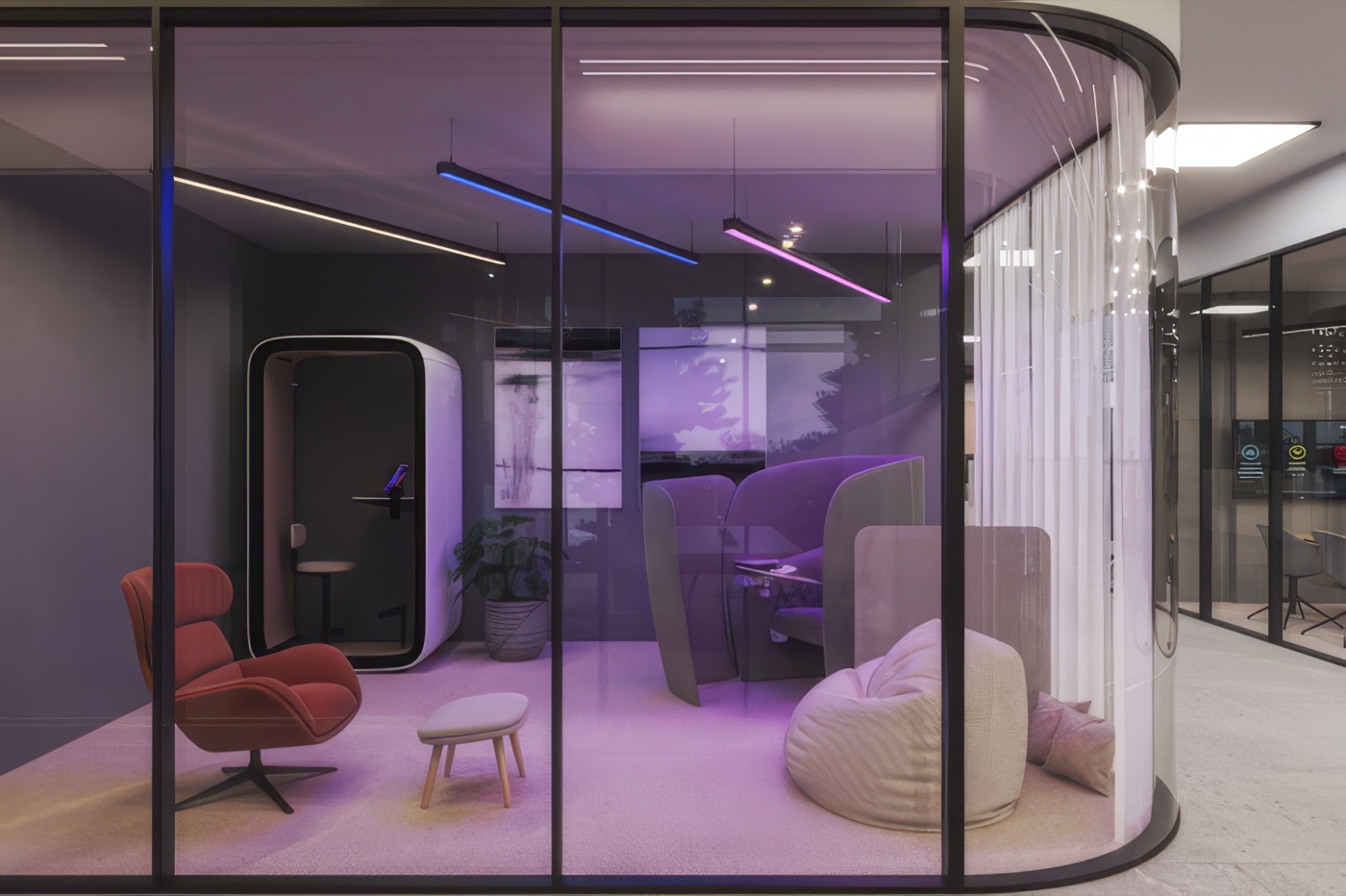
Sensory rooms are being created where possible, offering a dedicated space for colleagues to relax and reset in a calming environment – an additional option to the outdoor green spaces incorporated into Capgemini offices wherever possible. These rooms are open to all and are explicitly not bookable for meetings.
The quiet zones are appreciated by all colleagues as a dedicated space for focused work, with users reporting feeling more productive. It is also valued by noise-sensitive colleagues as an option where they don’t have to wear noise cancelling headphones all the time, as this can become uncomfortable for prolonged periods.
Sensory Rooms have proven popular with colleagues – offering a space to decompress and reset when they feel overloaded, contributing to a feeling of better well-being and ability to handle stressful work situations.
Capgemini has faced some challenges, including identifying appropriate spaces for quiet zones and ensuring the rules of the space are clear and respected by all users – for example is it acceptable to answer a call before moving outside the quiet zone or to a booth for the conversation. Sensory rooms have also required more communication than anticipated to ensure colleagues are aware of their existence.
These challenges are being navigated through ongoing dialogue with local teams to find a solution that works for their specific context.
KPIs
- 20% of office space designated as “Quiet Zones”
- Sensory Rooms created in all large offices when opening new sites / as part of renovations.
Orange
The inclusive soundscape
PDF · page 18 to 19 of 38
Read the full article : Le parcours sonore inclusif
Key points
- Launch Date
- 2022
- Target audience
- All employees working at Orange sites in France
- Concept
- The inclusive soundscape
Overview
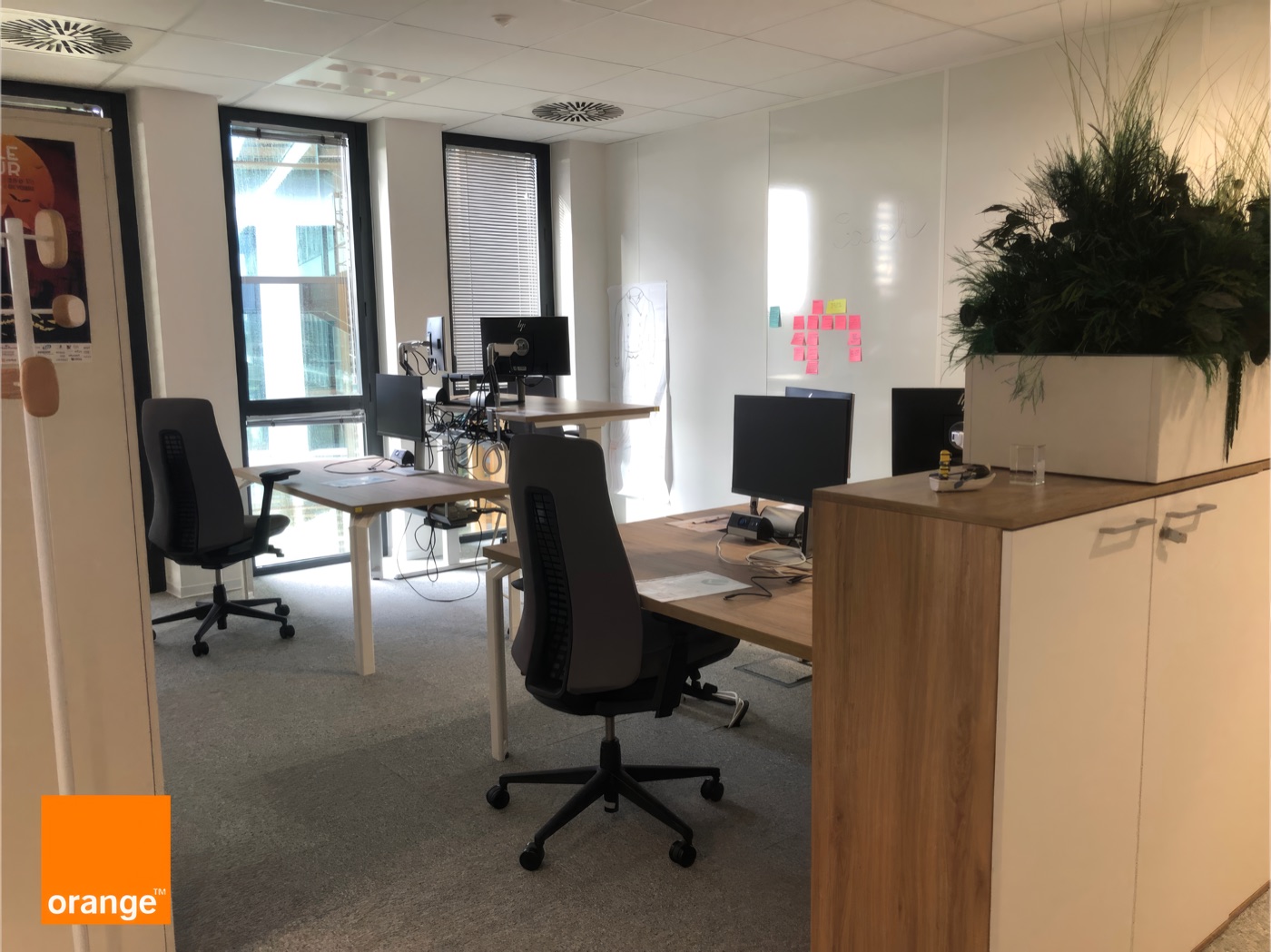
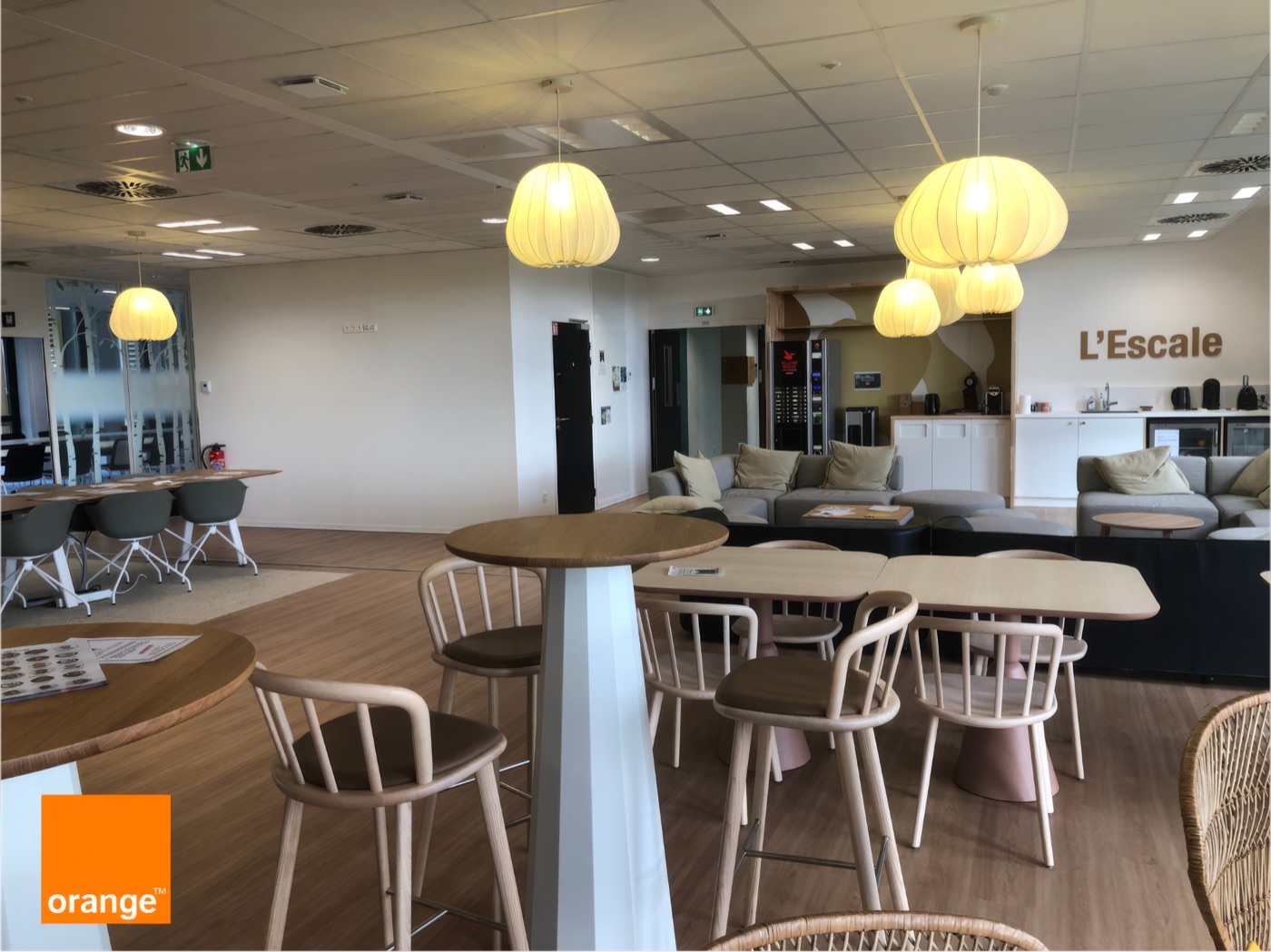
The inclusive soundscape approach is a workplace design strategy applied to all of Orange’s real estate projects, whether involving new sites, transformations, renovations, or layout modifications.
Its inclusion in the 2025–2027 Agreement on the Employment and Integration of People with Disabilities establishes the audio-guided approach as a cornerstone of real estate accessibility.
The approach is based on a key observation: an environment can comply with acoustic standards while still causing cognitive fatigue, difficulty concentrating, stress, or a sense of discomfort.
This evolution reflects a fundamental shift in perspective: inclusion is no longer viewed as an adjustment made after the fact to address specific individual situations. Instead, it is becoming a structural requirement in the development and design of workspaces.
By incorporating diverse perceptions and sensory sensitivities — particularly those of people with disabilities or neurodivergent individuals — from the outset, the soundscape aims to prevent environment-induced disability and create spaces that are more legible, predictable, and comfortable for everyone.
The inclusive soundscape approach draws on the combined insights of acoustics, psychoacoustics, ergonomics, neuroscience, neuroarchitecture, and universal design.
The challenge, therefore, is no longer merely to reduce noise levels, but to address conversation intelligibility, the predictability of the atmosphere, the clarity of how spaces are used, and the ability for everyone to choose the environment that suits their immediate needs.
In Orange’s workspace design guidelines, disability is no longer viewed solely as an individual characteristic. It also stems from the interaction between an individual and an environment that can either facilitate or hinder their autonomy, comfort, and participation in professional life.
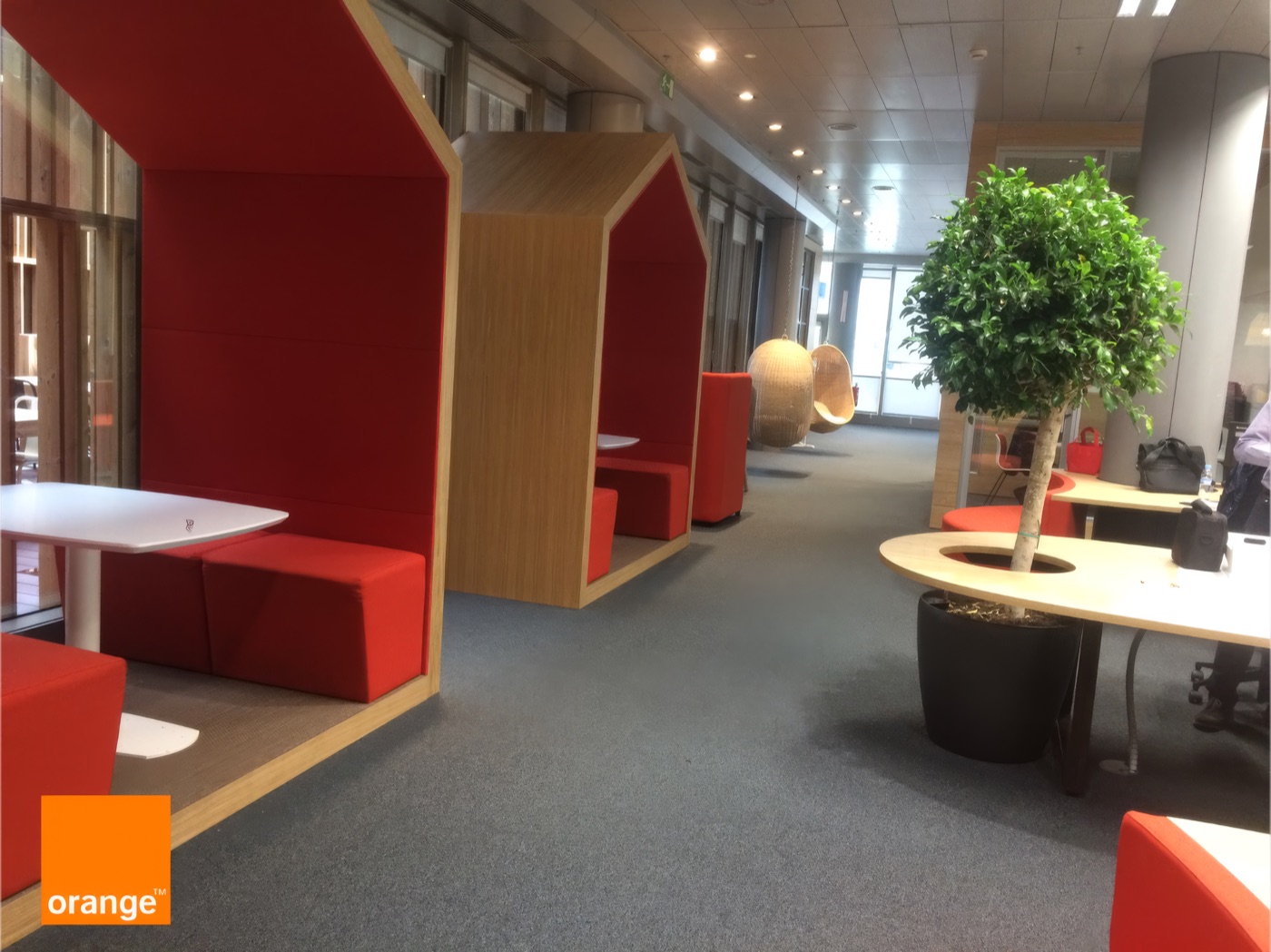
Rather than offering uniform layouts, Orange has designed a range of sound experiences that allow everyone to choose the environment best suited to their activity and their mood at the moment:
- calm, quiet spaces intended for individual work and activities requiring sustained concentration;
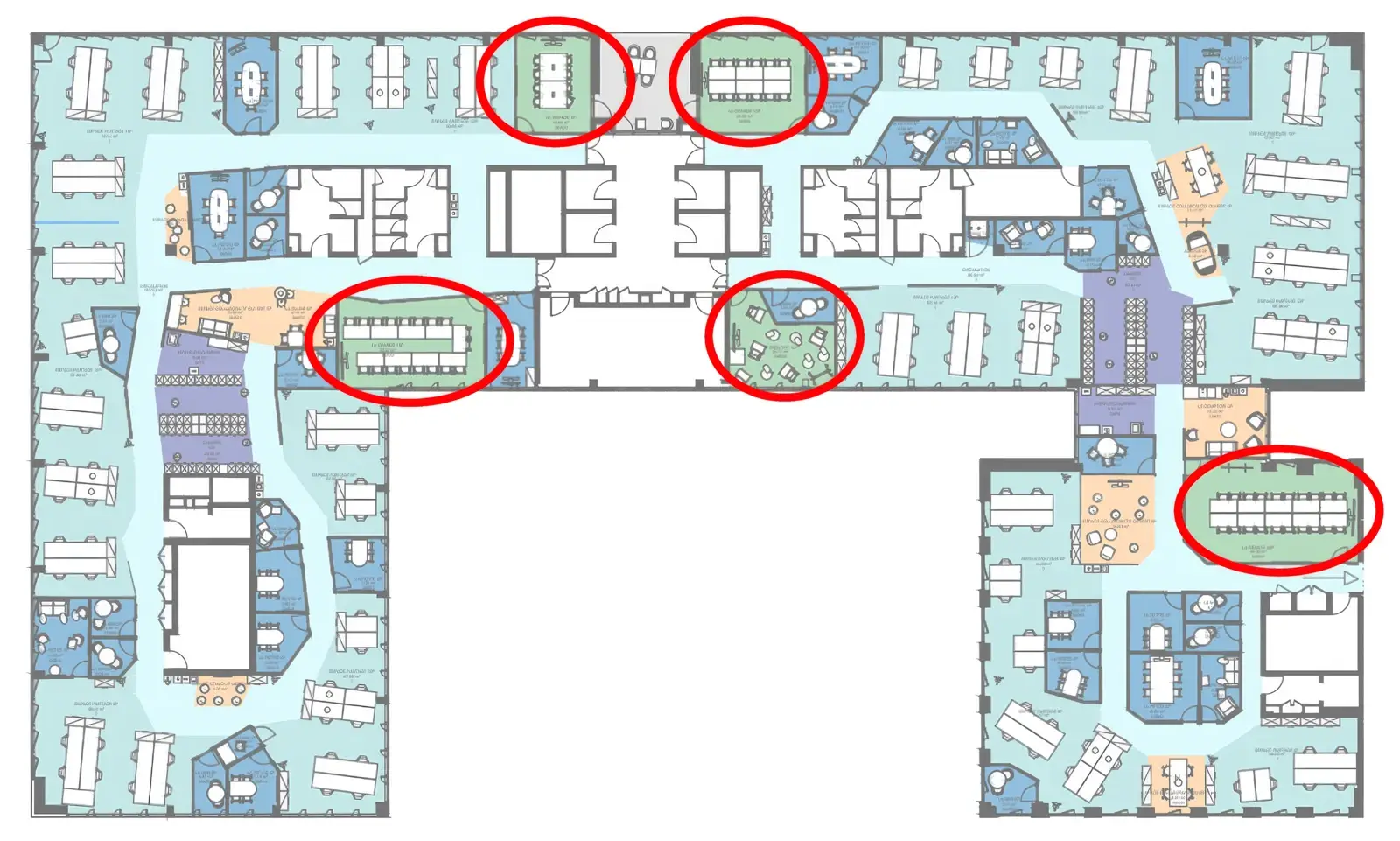
- private spaces — suitable for meetings, discussions, calls, and video conferences — which also serve a transitional and acoustic-shielding function;
- vibrant, dynamic, and lively spaces dedicated to meeting, socializing, creativity, learning, and informal collaboration.
To illustrate, meeting rooms that can be booked by any employee — and which may consequently generate higher noise levels—are generally located at the entrance to the office areas, near the elevators.
The layout of these environments is based on careful consideration of flows, transitions, and the relationships between spaces. Active areas are prioritized near entrances and gathering points; quiet zones are set apart from high-traffic routes; and private spaces serve as buffer zones that limit noise propagation.
Consistent sensory cues — colors, contrasts, lighting, materials, signage, and atmosphere —make spaces instantly recognizable and their uses intuitively understandable. They enhance the legibility, logical layout, and predictability of the route, while facilitating wayfinding and the adoption of appropriate behaviors.
This design helps limit cognitive fatigue and better reconcile two essential needs in hybrid organizations: collaboration and concentration. By giving employees greater control over their environment, the soundscape transforms sound —traditionally associated with a nuisance — into a managed element of the atmosphere and well-being.
Each person can move around and choose a space based on their activity, level of concentration, or sensory sensitivities at the time.
KPI
By 2030, all Orange employees in France will have transitioned to a dynamic work environment.
"Designing with the needs of the most sensitive individuals in mind benefits more than just a select few: it creates work environments that are more intuitive, comfortable, and enabling for everyone. Through the use of a soundscape, the space becomes a genuine resource that fosters inclusion, health, and quality of work."
Carrefour
Inclusive customer journeys
PDF · page 20 of 38
Read the full article : Des parcours clients inclusifs
Key points
- Launch Date
- 2021
- Target audience
- Customers with disabilities
- Concept
- Creation of inclusive in-store customer journeys
Overview
Quiet hours: In 2021, Carrefour introduced in-store quiet hours for autistic customers or those who prefer to shop in a calm environment. Four hours a day are designated as "quiet" in our hypermarkets and supermarkets (meaning no music, and restrictions on public address announcements and the use of cleaning equipment that emits audible signals). This initiative reflects our commitment to addressing the needs of all our customers and improving their shopping experience in our hypermarkets and supermarkets.
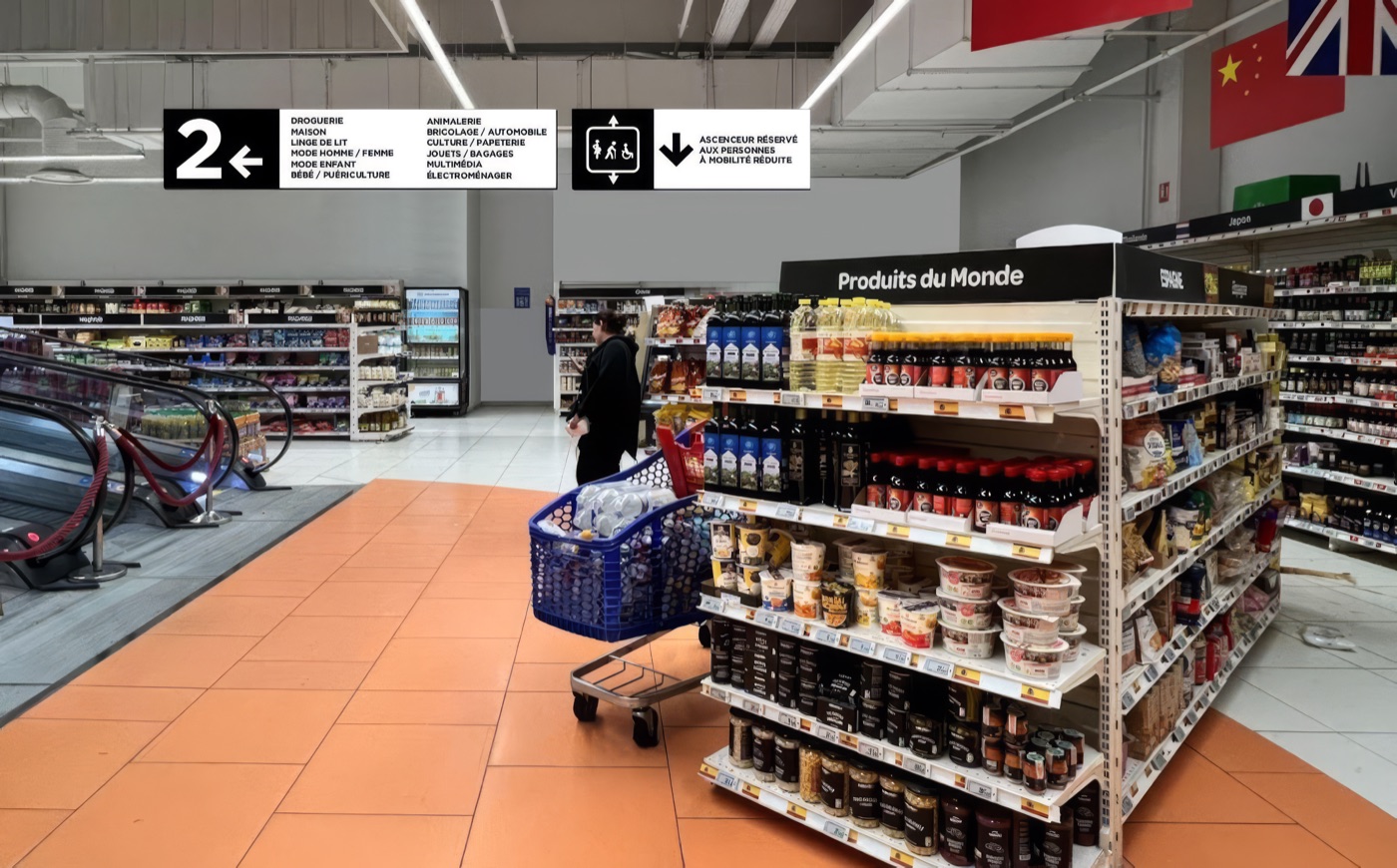
Inclusive signage: redesigning store signage to improve visibility and understanding for customers with disabilities. Measures include larger font sizes, enhanced contrast, and the use of pictograms (illustrations representing store aisles) to accompany text. This helps customers navigate the store more easily and reduces the stress and fatigue associated with the shopping experience.
Objective
Rollout of these accessibility-friendly solutions across the entire network of hypermarkets and supermarkets by 2030.
As early as 2022, Carrefour - having made disability inclusion a key focus of its strategic plan - set out to make the shopping experience more inclusive by taking concrete steps to better accommodate customers with disabilities. The retailer notably pioneered initiatives such as "quiet hours", now adopted by many other retailers, and launched France’s first fully accessible store for people with disabilities in Villeneuve-la-Garenne.
Specific professional integration and immersion programs
 L’Oréal
GLORIA
PDF · page 23 of 38
Read the full article : GLORIA
Key points
- Launch Date
- 2019
- Target audience
- For autistic adults with severe intellectual disabilities.
- Concept
- In partnership with an association
Overview
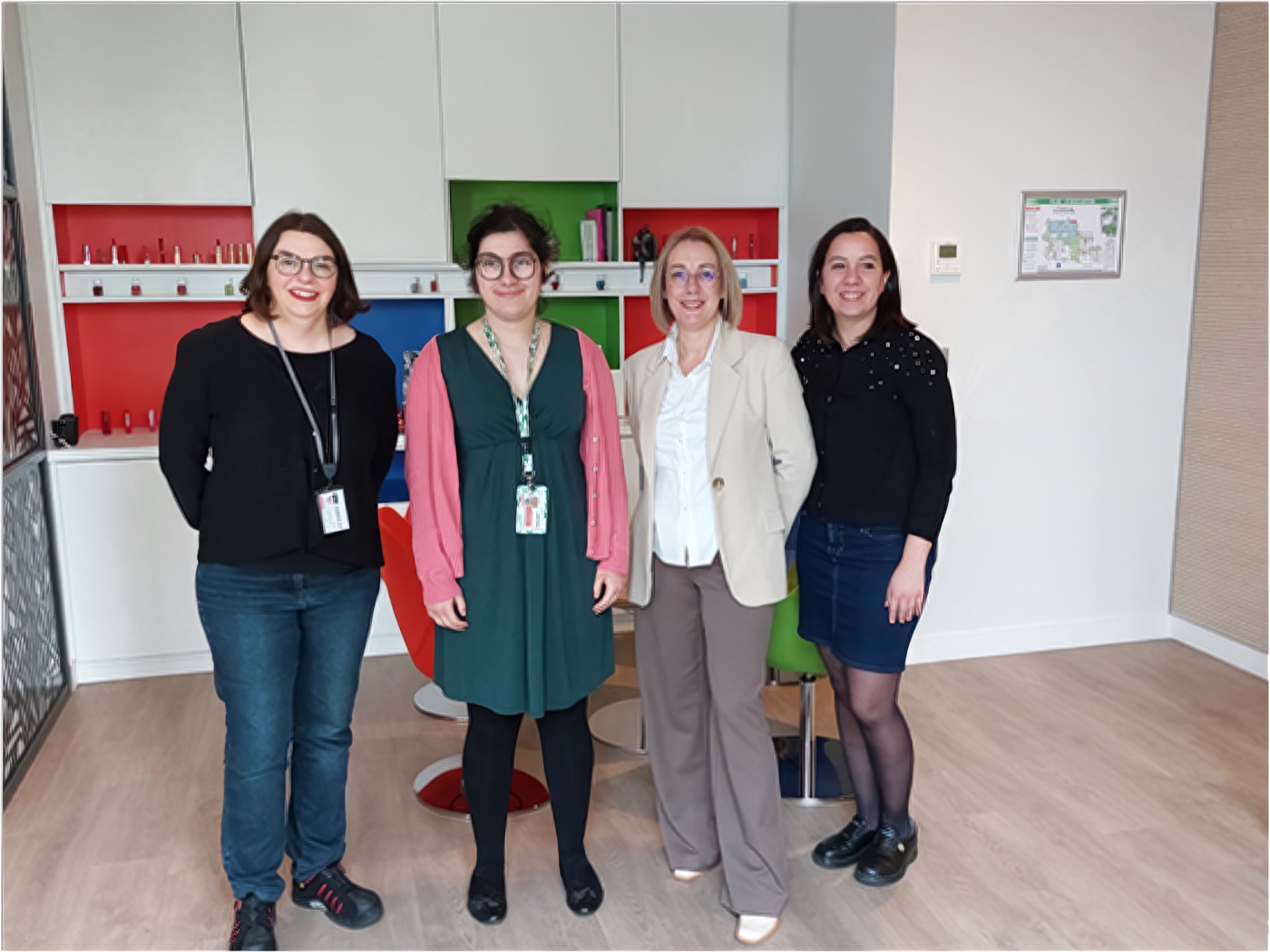
In close partnership with the "Vivre et Travailler Autrement" association, this program aims to provide employment opportunities for autistic adults with intellectual disabilities — specifically those with severe intellectual disabilities. The initiative indirectly benefits the operational teams at industrial sites (employees, managers, and mentors) as well as the beneficiaries' families.
In 2019, L'Oréal launched the GLORIA program (Faire Grandir L'Oréal par l'Inclusion d'Adultes Autistes — Growing L'Oréal through the Inclusion of Autistic Adults). Its mission is to provide sustainable employment opportunities in mainstream work environments for autistic individuals — a group often far removed from the labor market, given that the unemployment rate for autistic people in France is estimated at 95%. By adapting the work environment and industrial processes, we leverage each employee's individual strengths to foster their social, personal, and professional autonomy.
These individuals currently hold key day-to-day operational roles, demonstrating great versatility in carrying out essential production, quality control, and logistics tasks. At the same time, this initiative facilitates structured skills development, ensuring their employability and fully integrating them into a certification-oriented training pathway — specifically the RAE program (Recognition of Prior Experiential Learning).
KPIs
- 3 active industrial sites (Lassigny, Ormes, and Aulnay plants).
- 18 permanent employees
- One internal RAE evaluator has been trained.
- 1 internal RAE facilitator has been trained.
“Implementing GLORIA in a factory enables autistic individuals to contribute to our plants' performance by carrying out specific, varied tasks within the production unit. It also means integrating disability by fostering human synergy among all employees and collaboration rooted in diversity. Implementing GLORIA in our factories means succeeding together through diversity.”
L’Oréal
The Junior Academy
PDF · page 24 of 38
Read the full article : La Junior Academy
Key points
- Launch Date
- 2022
- Target audience
- 9th-grade students with disabilities or specific cognitive or learning diifficulties, such as "Dys" conditions: dyslexia, dyspraxia, dysphasia, etc.
- Concept
- Immersion program
Overview
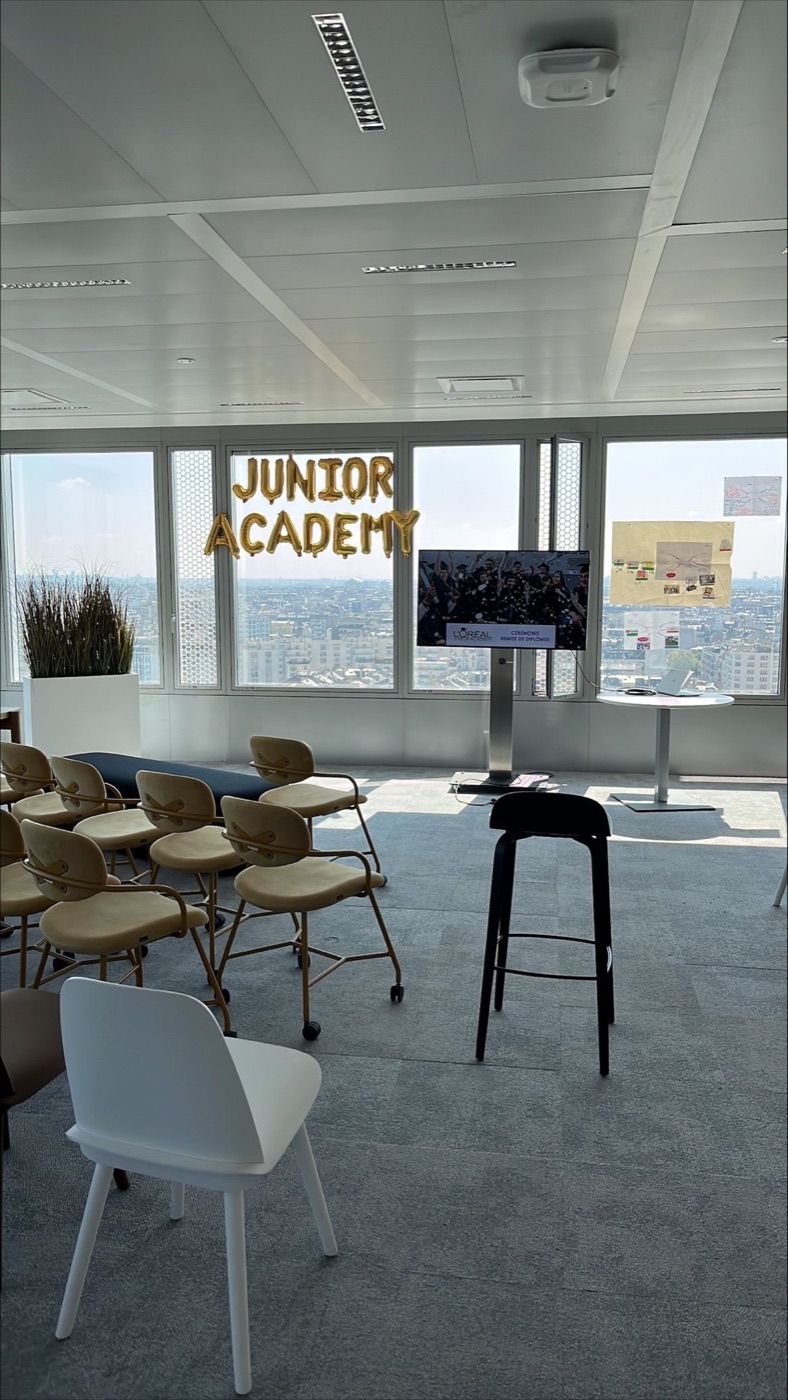
L'Oréal established the Junior Academy, an immersion program that invites neurodivergent ninth-grade students from the Cerene school network to go behind the scenes of an international company through the dynamic lens of digital marketing.
Throughout the year, they actively participate in an educational and practical program that simulates the product creation process, from initial design to launch. A ceremony was held in 2026 to present them with a computer to support their continued studies.
KPIs
90 students have benefitted from this initiative.
“Mentoring students from the L’Oréal Junior Academy means giving them the confidence to be bold and envision their future in the professional world. Their creativity and unique perspectives inspire us every year, reinforcing our conviction that diversity is a strength and that inclusion fuels innovation.”
Siemens
Nouveaux Collègues (New colleagues)
PDF · page 25 of 38
Read the full article : Nouveaux Collègues
Key points
- Launch Date
- Since 2009 at Siemens
- Operating since 2025 as an association and an employer grouping (GE)
- Target audience
- Neurodivergent individuals, psychiatric disabilities
- Concept
- Association of committed employers
Overview
Nouveaux Collègues is a non-profit employers' association. We bring together employers committed to fostering inclusion in mainstream work environments. We support the professional development of individuals with mental health conditions through local administrative support services. Our goal is to scale up this initiative and increase employment rates in mainstream settings. Supported by AGEFIPH Innovation.
The goal is social integration and recovery through employment.
Nouveaux Collègues and its members foster sustainable employment, strengthen team cohesion, and transform management culture. Fostering inclusion to innovate and grow.
KPIs
- Ongoing research project with an occupational psychologist (CIFRE scheme) to measure the impact of work on the recovery of individuals with psychiatric disabilities.
- 5 hires in Year 1
"New colleagues, new talent, new perspectives. Inclusion is not a slogan. It is a tangible driver of engagement, success, and shared performance."
Individualized support and guidance
Thales
Specialist neurodiversity coaching
PDF · page 27 of 38

Read the full article : Coaching spécialisé en neurodiversité
Key points
- Launch Date
- 2025
- Target audience
- Thales employees in the Netherlands
- Concept
- External coaching specializing in neurodiversity
Overview
Weekly visits from an external coach specializing in neurodiversity, available to employees and managers who wish to consult them, to provide specialized support, guide employees, and answer their questions.
In their daily lives, neurodivergent individuals—and those around them — may encounter various challenges, such as: How do I interact with others? How do I adopt the right behavior? How do I get organized and successfully carry out daily activities?
The goal is to provide specialized support and thereby help create an inclusive environment that recognizes and values the strengths of neurodivergent individuals, by offering tailored guidance and fostering a culture of understanding and acceptance.
Helping to unlock the full potential of neurodivergent individuals, to the benefit of the entire organization.
FDJ UNITED
Digital solutions to support Dys conditions
PDF · page 28 of 38
Read the full article : Solutions numériques de compensation pour les Dys
Key points
- Launch Date
- 2023
- Target audience
- All employees with "Dys" conditions
- Concept
- Digital solutions to support Dys conditions
Overview
Support can be provided for all "Dys" conditions. Every employee is unique, and approaches must be tailored to foster an inclusive work environment and enable everyone to reach their full potential.
FDJ UNITED offers solutions to address inclusion challenges for employees with "Dys" conditions. Software specifically designed to make daily tasks easier can be made available to staff. Employees can receive support in identifying and testing the solutions best suited to their professional needs, working styles, and job requirements.
Human Resources offers consultations to employees affected by "Dys" conditions and their managers. These discussions aim to identify specific needs, assess work situations, and implement appropriate support measures. They also serve to raise manager awareness, thereby fostering effective and sustainable support.
When necessary — depending on the impact of "Dys" condititions on professional activities—the Disability Unit provides expertise and mobilizes appropriate resources, in coordination with local HR, the employee, their manager, and other relevant stakeholders.
To offer relevant, personalized accommodation solutions, FDJ UNITED can also draw on the expertise of specialized partners. Their support makes it possible to analyze the employee's needs in light of their specific condition(s) (dyslexia, dyspraxia, dysorthographia, dyscalculia, dysphasia, etc.) and the duties they perform.
This expertise helps identify the most suitable software solutions, organize demonstrations or testing phases, and formulate recommendations to optimize working conditions. The goal is to foster the employee's autonomy and professional efficiency through assistive tools tailored to their specific situation and work environment.
Facilitating groups and peer support
Pernod Ricard
Caregivers' Café
PDF · page 31 of 38

Read the full article : Le Café des Aidants
Key points
- Launch Date
- 2026
- Target audience
- All employee caregivers - and specifically those caring for their own children with "Dys" conditions (dyslexia, dyspraxia, dysorthographia, dyscalculia, dysphasia, etc.)
- Concept
- Care Givers' Café
Overview
The first edition of the "Café des Aidants" was launched in May 2026, featuring a comprehensive, practical guide designed to support affected employees — particularly parents of children with "Dys" conditions.
Pernod Ricard has set up a "Caregivers' Café" to enable employees who are caregivers to share their experiences, ask questions, and discover the resources available to them.
For parents of neurodivergent children with learning disabilities (such as dyslexia, dyspraxia, etc.), the goal is to create a space for listening, support, and peer exchange. The inaugural edition attracted interest from 35 employees.
To build on this momentum, a dedicated Teams channel for caregivers has been created to facilitate communication, the sharing of useful resources, and mutual support in daily life.
The goal is to organize at least three coffee gatherings per year for employee caregivers in France.
KPIs
Tracking the number of employee caregivers: the "caregiver café" initiative enabled us to identify employees with caregiving responsibilities and provide the support they need to perform their roles under the best possible conditions.
Schneider Electric
Cognitive Diversity - Invisible & Complex
PDF · page 32 to 33 of 38
Read the full article : Diversité Cognitive – Invisible & Complexe
Key points
- Launch Date
- 2021
- Target audience
- All employees
- Concept
- A community created by and for employees, to turn neurodivergence into a collective strength.
Concept et parti pris :
The "Cognitive Diversity – Invisible & Complex" network is a voluntary space for listening, mutual support, sharing experiences, and driving action. It acknowledges the natural diversity in how people think, perceive, process information, learn, communicate, and interact. Its approach does not reduce neuroatypicality to a disability; it takes into account the obstacles the work environment can create, without denying the need for support or accommodations where they exist.
Operating principles: confidentiality, respect for individual journeys, non-judgment, the right to participate without disclosing a diagnosis, freedom of speech and the right to withdraw, active listening, and co-construction based on the principle of "nothing about us without us." The network does not make diagnoses or prescribe medical solutions, nor does it replace healthcare providers, HR departments, or Disability Units (where applicable).
Governance
The network is driven by committed employee volunteers and supported by the Inclusion & Care Department. A designated point person acts as the liaison with internal stakeholders and Objectif Neuroinclusion. A quarterly steering committee monitors priorities, actions, and needs, while maintaining a streamlined governance structure to preserve the community's autonomy.
The time commitment remains voluntary and tailored to individual availability.
Target audience:
- Employees who identify as having a neuro-atypical profile (not necessarily linked to a disability);
- Employees wishing to share a personal experience as a caregiver-parent or a professional one, find peer support, or contribute to initiatives;
- Allies wishing to better understand neurodiversity and evolve collective practices within the company.
Objectives:
- Reduce isolation, encourage open expression, and strengthen the sense of belonging.
- Foster a better understanding of different modes of cognitive functioning and deconstruct stereotypes.
- Highlight the skills, success strategies, and contributions of neurodivergent individuals.
- To develop more inclusive management, communication, organizational, and integration practices based on lived experience.
- Refer, where necessary, to the relevant stakeholders and business support mechanisms.
- Contribute to a culture where everyone can express their needs without having to justify or reveal personal information.
Activities and facilitation methods:
- Quarterly community meetings, with an agenda co-created with its members.
- Internal community space for sharing articles, events, testimonials, and resources.
- Webinars and testimonials highlighting real-world examples of innovation, problem-solving, integration, and cooperation made possible by neurodivergence.
- Raising awareness among managers, HR professionals, recruiters, and work teams regarding biases, clear communication, flexibility, and personalized onboarding.
- Real-life trials: adaptation of the onboarding process, work organization, scheduling, sensory environment, and tools or human support based on needs.
- Integration with the internal ecosystem: Disability Mission, occupational health and prevention services, HR, managers, accessibility resources, and specialized support.
- External outreach through participation in the Objectif Neuroinclusion collective, to co-develop guidelines, share practices, and accelerate cross-company transformation.
Contributions and initial lessons:
- A safe space where people can interact without being reduced to a label.
- A better understanding of the potential discrepancies between the work environment and individual needs.
- Highlighting skills that are sometimes not readily apparent: systems thinking, creativity, analytical ability, attention to specific details, or complex problem-solving.
- Concrete avenues for improving onboarding, communication, cooperation, and job retention.
- A more mature dialogue between lived experience, management, occupational health, disability, and sustainable performance.
Key success factors and points to watch:
- Start from expressed needs, rather than a fixed definition of neuroatypicality.
- Directly involve the people concerned in the design, facilitation, and evaluation.
- Avoid generalizations: the same diagnosis does not result in the same needs, strengths, or lived experiences.
- Avoid idealizing: value talents without downplaying the difficulties, fatigue, discrimination, or need for adjustments.
- Distinguish between peer-support and professional expertise: train facilitators in active listening and designate clearly identified professional points of contact.
- Make the environment accessible by default: explicit communication, clarified expectations, materials prepared in advance, reasonable flexibility, and a variety of participation methods.
To inspire other companies: a replicable model
- 1. Listen: anonymously gather needs and identify relevant volunteers;
- 2. Define the scope: establish the purpose, confidentiality, network boundaries, and professional points of contact;
- 3. Co-construct: choose the name, priorities, and initial formats together with the members;
- 4. Keep the launch simple: an internal community, an initial meeting, and one useful action are enough to get started;
- 5. Equip the ecosystem: raise awareness among managers, HR, and teams, and facilitate individualized adjustments;
- 6. Measure without labeling: track utility, participation, and the evolution of practices - never diagnoses;
- 7. Scaling up: sharing learnings - including challenges - to advance the entire ecosystem.
Our belief
Neuroinclusion does not rely on a single solution, but rather on a collective capacity to listen, adjust, and learn. Every company can start at its own level. By sharing both our successes and our trial-and-error experiences, we can accelerate the creation of work environments where neurodivergent individuals no longer have to choose between protecting themselves and contributing fully.
Progress indicators
The goal is not to measure or identify neurodivergent individuals. To manage the initiative without compromising confidentiality, the network can track simple, non-medical indicators: the number of meetings and actions, voluntary participation, content reach, number of shared resources, anonymous satisfaction levels, perceived usefulness, examples of practice improvements, and the number of referrals to appropriate services. At this stage, no numerical targets have been set.
"Neuroatypicality reminds us that there is no single right way to think, communicate, or solve a problem. When we create conditions fostering listening, trust, and mutual adjustment, unique traits cease to be viewed as deviations: they become resources for learning, innovating, and collaborating more effectively."
Hosting neuroinclusive events
Fact sheet · PDF, page 35 of 38
As we are unable to identify neurodivergent individuals, we invite you to adopt these guidelines for welcoming all event participants in general.
General behavior
- Be calm, patient, and kind.
- Speak slowly and clearly, without using jargon.
- Look at the person without staring; maintain an open attitude.
- Respect personal space: don't get too close, and don't touch the person (even in a friendly way).
- Smile gently, without overdoing it - to avoid overload.
- Accept that the person might not say "hello" or look you in the eye.
- Avoid making assumptions about whether someone is neurodivergent (and especially avoid voicing them).
Give directions
- Point to a visual aid (sign, pictogram, map) while you speak.
- Use simple sentences in the correct order: "Room A is on the left. Then, take the elevator at the end of the hallway."
- Repeat the important information twice, using the same words.
- Offer to write the information down on paper or show it on a map.
- Always allow a brief silent pause after giving an instruction.
- Offer encouragement without pressure: "Take your time; it’s right here when you’re ready."
Responding to a request
- Take the time to listen to the question all the way through, even if it seems out of place.
- Don't finish sentences for the other person.
- Give one piece of information at a time.
- If you don't know how to respond, simply say "I'll ask my colleague, I'll be right back."
- Always propose alternative methods - spoken, written or showing.
In case of feeling unwell or becoming overwhelmed.
- Suggest a quiet area without asking intrusive questions: "Would you like to go to the quiet area? It’s just over here."
- Do not touch the person, even to guide them.
- Offer a some water, a seat, or leave the person alone - depending on their needs and wishes.
Going further
Neurodiversity in the workplace: rethinking, recruiting, deploying, developing
Discover the guide "Neurodiversity in the Workplace" (In French)
You can view the entries individually or expand the entire collection. Searches cover the full text of the entries. Printing includes all entries, even when a search is active.